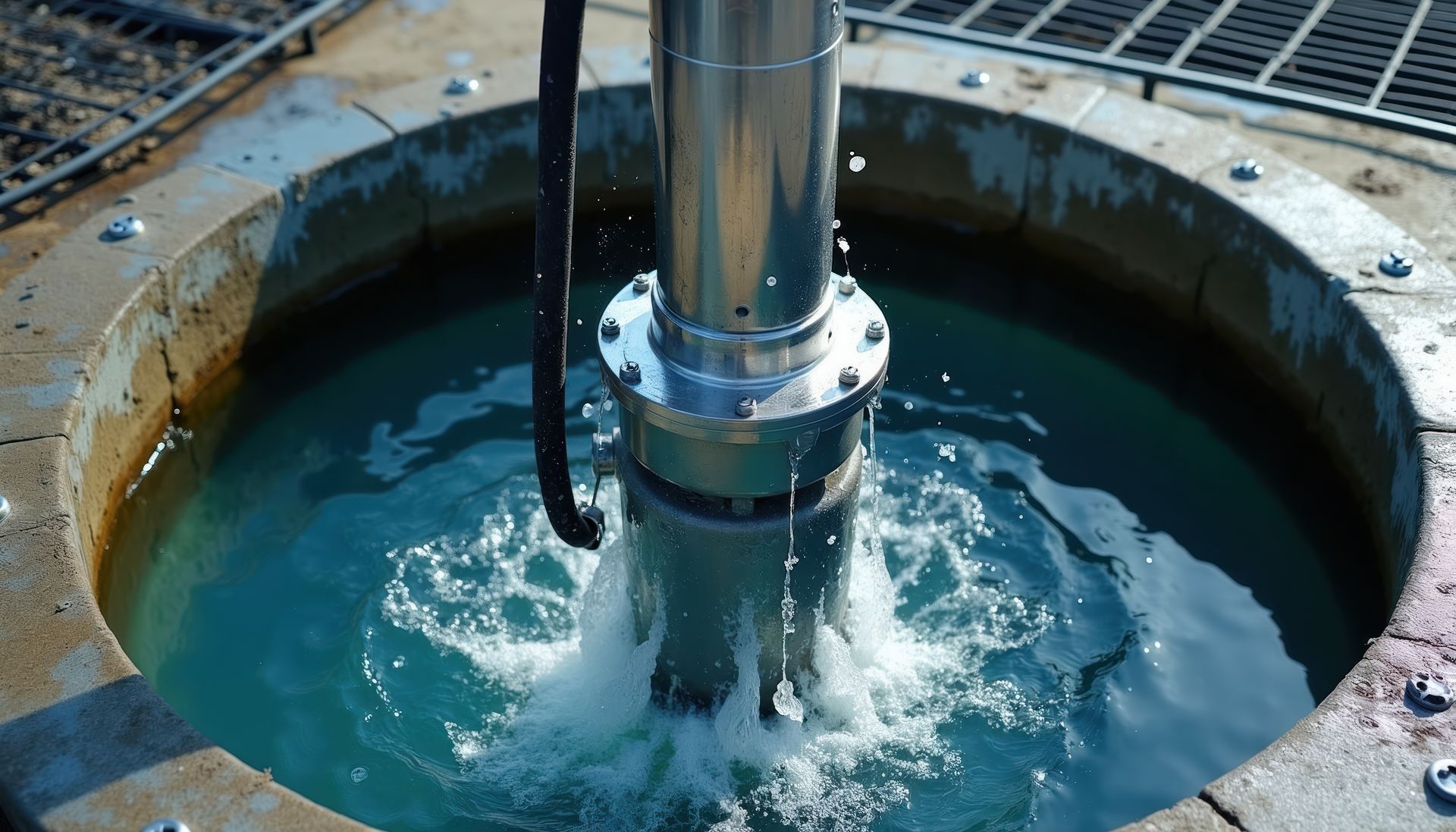
Signs Your Well Pump Needs Repair or Replacement
A well pump that is starting to fail rarely stops working all at once. In most cases, the system gives warning signs weeks or months before a complete breakdown. Recognizing those signs early can save you money, prevent water damage, and keep your household or property running without interruption. William W. Reichart, Inc. has been installing and servicing well pumps across south-central Pennsylvania since 1890, and our crews see the same handful of issues show up on service calls year after year. Here is what to watch for.
Loss of Water Pressure or Flow
A steady decline in water pressure is one of the most common early indicators that your pump or pressure system is struggling. If showers run weak, faucets sputter, or appliances that depend on consistent flow start underperforming, the pump may be losing its ability to maintain adequate pressure. The cause can range from a worn impeller to a failing pressure switch to a drop in your well's water level. The important step is to have the system evaluated before the problem compounds.
Reichart's crew checks the pump, pressure tank, and controls together rather than isolating a single component. In many cases, pressure issues trace back to a waterlogged pressure tank or a failing check valve rather than the pump motor itself. An accurate diagnosis prevents unnecessary equipment replacement.
Pump Cycling On and Off Frequently
When a well pump turns on and off in rapid cycles, it is working harder than it should and driving up your electric bill in the process. Short-cycling typically points to a pressure tank that has lost its air charge, a leaking check valve, or a pressure switch that needs adjustment. Left unchecked, constant cycling will burn out the pump motor and shorten the life of the entire system significantly.
If you notice your pump kicking on every time you run a faucet or flush a toilet, that warrants a service call. Reichart stocks conventional, constant pressure, jet, and hand pump systems and can match a replacement to your property's specific flow and pressure specifications.
Discolored, Sandy, or Murky Water
Sediment, sand, or discoloration in your water supply can indicate that the pump is pulling material from the bottom of the well, the well screen has deteriorated, or the casing has developed a crack. In south-central Pennsylvania, elevated iron and manganese in well water can also produce discoloration that worsens over time.
The first step is determining whether the issue originates at the pump level or the well itself. Reichart performs downhole video camera inspections that allow the crew to see inside the borehole and identify the exact source of the problem. In some cases, a well rehabilitation and borehole cleaning resolves the issue without replacing any equipment.
Unusually High Electric Bills
A well pump that runs continuously or cycles frequently will show up on your electric bill before it shows up anywhere else. If your usage has increased without a clear explanation, the pump system is worth checking. Submersible pumps that are nearing the end of their service life often draw more power as internal components wear down.
Common Well Pump Issues in South-Central Pennsylvania
Properties throughout York and Adams County face conditions that can accelerate pump wear. Winter temperatures bring freeze risk to above-ground plumbing connections and pressure tanks housed in unheated spaces. Hard water and high iron content, both common in this area, contribute to mineral buildup on pump components over time. Rural properties with older wells originally drilled decades ago may also be running pumps that were undersized for today's water demands, particularly if the household has expanded or irrigation needs have increased.
What to Do if Your Well Stops Producing Water
If your well stops delivering water entirely, call Reichart at 717-632-2249. Emergency service is available 24 hours a day. A total loss of water can result from pump failure, a tripped circuit breaker, a well that has run low, or a frozen pipe in winter. The crew can diagnose and respond on the same visit in most cases.
Frequently Asked Questions
How long do well pumps typically last?
Most submersible well pumps last between 8 and 15 years depending on water quality, usage volume, and how well the system was sized at installation. Constant pressure systems and variable-speed pumps can extend that range when properly maintained. Reichart installs pump configurations ranging from fractional-horsepower residential units to 200-horsepower industrial systems and can recommend the right match for your property.
Can a well pump be repaired, or does it always need to be replaced?
It depends on the specific failure. Pressure tank issues, switch problems, and check valve failures can all be repaired without replacing the pump. If the pump motor itself has burned out or the impeller is worn beyond service, replacement is the more reliable option. Reichart's crew evaluates the full system before recommending either path.
Should I schedule regular well pump maintenance?
Annual pressure checks and periodic water quality testing help catch problems before they escalate. Reichart's well yield testing and sampling service includes hydraulic analysis that quantifies your well's performance over time, giving you a baseline to measure against.
When to Call a Well Pump Contractor
If you notice any of the signs above, the most cost-effective step is to have a qualified contractor evaluate the system before a minor issue turns into a major repair. Property owners in Hanover, Spring Grove, New Oxford, Manchester, and throughout York and Adams County can call 717-632-2249 or reach us through the contact page to schedule a service call. Seven generations of groundwater expertise, backed by licensed engineers and geologists on every project.